
Color isn’t just a visual element, it’s a storytelling device. When used deliberately, color can guide the viewer’s feelings, shape perception, and deepen narrative meaning. Setting the tone: color grading for emotional impact is a crucial post-processing skill that helps photographers infuse mood and atmosphere into their work, well beyond what was captured in-camera.
Why Color Grading Matters
Every image carries an emotional weight, and color is often the first thing that communicates it. Whether it’s the golden warmth of a nostalgic moment or the cool blues of solitude, color grading for emotional impact allows you to amplify the mood and tell a more intentional story.
Through thoughtful adjustments to hue, saturation, and luminance, you can transform a technically perfect photo into a visually moving experience.
Emotional Tones and Their Color Palettes
- Warm tones (reds, oranges, yellows): Create feelings of joy, nostalgia, energy, or comfort.
- Cool tones (blues, teals, purples): Evoke calm, isolation, melancholy, or introspection.
- Desaturated tones: Convey realism, grittiness, or emotional rawness.
- Split-toned images: Balance warm and cool for complex emotional narratives; think warmth in highlights, coolness in shadows.

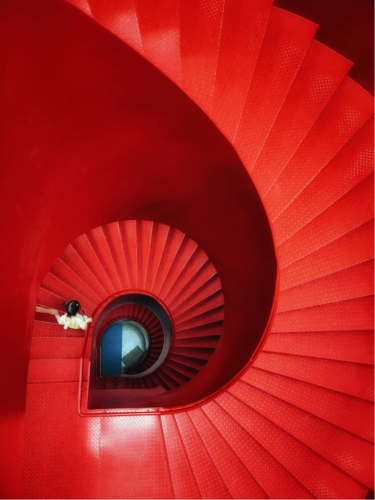
Pro Tip: Anchor Your Mood with One Dominant Color
Choose one dominant color family to guide your grading process. This gives consistency and cohesion to your work. A unified palette avoids visual confusion and keeps the emotional tone strong and focused.
Techniques for Color Grading in Post
Here are a few tools and approaches to help with color grading for emotional impact:
- Curves & Tone Mapping – Adjust highlights, midtones, and shadows to create contrast or soften mood.
- HSL (Hue/Saturation/Luminance) Panel – Fine-tune specific colors to enhance or mute emotional cues.
- Split Toning / Color Grading Wheels – Introduce subtle warmth or coolness to highlights and shadows.
- LUTs (Lookup Tables) – Predefined color grading presets that offer a great starting point for stylization.
Remember, small tweaks go a long way. A heavy hand can make an image feel artificial, while subtle grading keeps the emotion natural.
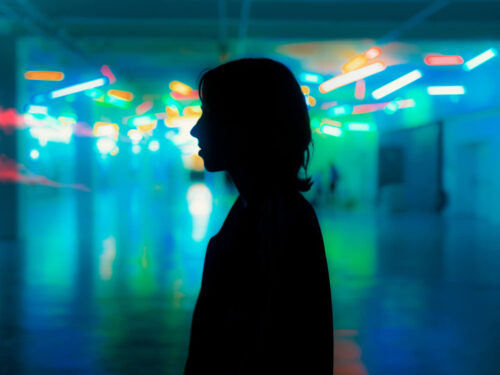
Let Emotion Guide Your Edit
Setting the tone: color grading for emotional impact means editing with intention. Ask yourself: What do I want the viewer to feel? Then use color to guide them there. Mood is not an accident, it’s crafted with purpose.
Extended reading:
Embracing the beauty of chaos in photography

